
Call: 08045804767
 Send Inquiry
 Send Inquiry
ICSI Micropipette (Monash Biomed pvt ltd)
ICSI Micropipette (Monash Biomed pvt ltd) Specification
- Instruments Type
- Assisted Reproductive Technology Accessory
- Storage Instructions
- Store in dry, sterile environment
- Accuracy
- High precision tip (1 m tip diameter tolerance)
- Usage Type
- Laboratory Use
- Measurement Range
- Tip diameter: 57 m (standard for ICSI)
- Function
- Facilitates sperm injection into oocyte
- Shelf Life
- 3 Years
- Features
- Smooth finish, Sterile, Individually packed, Ready to use, Fine sharpness
- Equipment Type
- ICSI Micropipette
- Material
- High-quality Borosilicate Glass
- Condition
- New
- Technology
- Micromanipulation / Microinjection Technique
- Portable
- Yes
- Wall Mounted
- No
- Magnification Power
- Suitable for use with 20x to 40x
- Real-Time Operation
- Yes
- Noise Level
- Silent Operation
- Operating Type
- Manual
- Use
- Intracytoplasmic Sperm Injection (ICSI) Procedures
- Power Consumption
- 0 W
- Dimension (L*W*H)
- Standardized Range: 90mm-100mm length, 1.0mm-1.5mm outer diameter
- Weight
- Ultra Lightweight <2g
- Color
- Transparent
- Certified Quality
- ISO 13485, CE Marked
- Surface Treatment
- Hydrophilic treatment available
- Application Area
- IVF Clinics, Fertility Centers, Research Laboratories
- Sterility
- Gamma/ETO sterilized
- Disposability
- Single Use Only
- Tip Angle
- 30 5 beveled end
- Compatibility
- Compatible with all standard micromanipulators
- Capillary Type
- Microcapillary Glass Pipette
- Packaging Type
- Individually sealed sterile packs
- End-Shape
- Beveled/Polished Tip
About ICSI Micropipette (Monash Biomed pvt ltd)
Denudation PipettesIt is used for the denudation of the oocyte before the microinjection by ICSI. Cumulas mass and corona tissues are removed by repeated aspiration and expiration of the oocyte. Available in different ID as per application.
Holding Pipettes
Used for ICSI, assisted hatching and blastomere biopsy. The well shaped fire polished tip allows secure fixation of oocyte and avoids damage of cell. Maximal contact surface, 95 micron or 120 micron OD, bend angle available from 5 degree to 35 degree.
Certified Safety and Sterility
ICSI Micropipettes are manufactured under stringent quality controls and sterilized using Gamma/ETO methods. Each unit is individually sealed in a sterile pack, offering uncompromised sterility for sensitive applications like IVF and fertility procedures. The sterility is maintained throughout its shelf life of three years when stored in a dry, sterile environment.
Precision-Engineered Design
Engineered from high-quality borosilicate glass, the micropipette features a fine, beveled tip with a diameter tolerance of 1 m and an angle of 30 5. The hydrophilic surface treatment facilitates accurate and smooth microinjection, ensuring efficient sperm transfer into oocytes and enhancing procedural success.
Universal Compatibility & Ease of Use
Designed for manual operation, the ICSI micropipette fits all standard micromanipulators and is suitable with magnification levels of 20x to 40x. It is ready to use straight from its sterile pack, with ultralight construction for excellent handling and silent operation during delicate laboratory workflows.
FAQs of ICSI Micropipette (Monash Biomed pvt ltd):
Q: How is the sterility of the ICSI Micropipette ensured?
A: Each micropipette is sterilized using Gamma or ETO methods and packaged in individually sealed sterile packs, maintaining sterility until use. This process complies with ISO 13485 standards for medical device safety.Q: What steps are involved in using the ICSI Micropipette during an IVF procedure?
A: The micropipette is removed from its sterile pack and mounted on a standard micromanipulator under magnification (20x40x). During ICSI, it precisely injects a sperm cell into the oocyte with its fine beveled tip, facilitating fertilization.Q: When should a new micropipette be used for ICSI procedures?
A: A new micropipette should be used for each procedure, as it is designed for single-use only to prevent contamination and ensure procedural accuracy.Q: Where can the ICSI Micropipette be effectively utilized?
A: It is ideal for use in IVF clinics, fertility centers, and research laboratories specializing in assisted reproductive technology and micromanipulation techniques.Q: What advantages does the hydrophilic treatment offer?
A: Hydrophilic surface treatment enhances fluid transfer, reduces sample adherence to the glass, and improves overall accuracy during delicate microinjection tasks.Q: How does the design of the tip benefit the ICSI process?
A: The beveled and polished tip, with a precise diameter and angle, allows for efficient penetration and smooth delivery of sperm cells into oocytes, promoting higher success rates in assisted reproduction.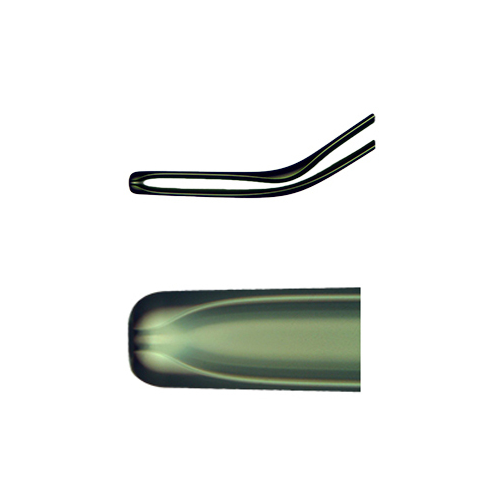
Tell us about your requirement

Price:
Quantity
Select Unit
- 50
- 100
- 200
- 250
- 500
- 1000+
Additional detail
Mobile number
Email

More Products in Infertility Care Category

Inverted Microscope
Power Source : Other, Electric (AC Powered)
Wall Mounted : No
Condition : New
Equipment Type : Inverted Microscope
Use : Cell cultures, Biological Research, Laboratory
Usage Type : Laboratory, Academic, Research

Cyro Freezing
Power Source : Electric
Wall Mounted : No
Condition : New
Equipment Type : Cyro Freezing
Use : Preservation and storage of biological samples, cells, and tissues
Usage Type : Laboratory/Medical
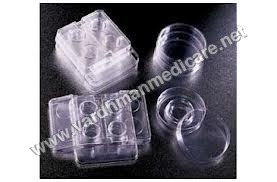
Falcon IVF Disposable
Power Source : Other, Not Required
Wall Mounted : No
Condition : Other, Sterile, Single Use
Equipment Type : IVF Disposable
Use : IVF Procedures, Laboratory Use
Usage Type : Medical, Laboratory
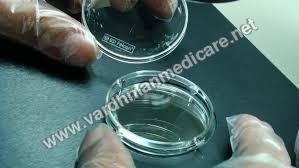
IVF Disposable
Power Source : Other, None
Wall Mounted : No
Condition : New
Equipment Type : IVF Disposable
Use : Laboratory Procedures in IVF
Usage Type : Single Use

Contact Details
GST : 07AACCV0476A1ZP
- 2ND FLOOR, L-90/164, STREET NO. 7, MAHIPALPUR EXTN,New Delhi - 110037, India
- Phone :08045804767
 Send Inquiry
Developed and Managed by Infocom Network Private Limited.
