
Call: 08045804767
 Send Inquiry
 Send Inquiry
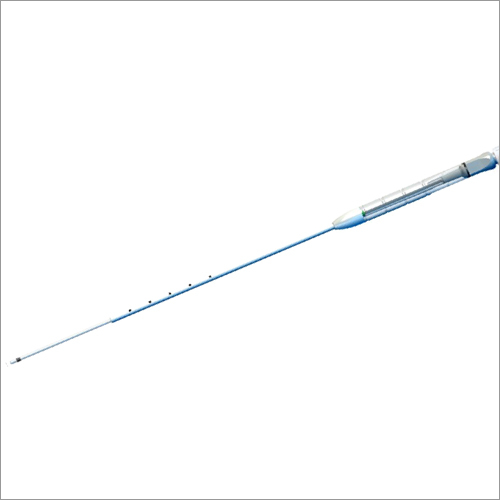
Oocyte Aspiration Needle
Oocyte Aspiration Needle Specification
- Storage Instructions
- Store in a dry place at room temperature, away from sunlight
- Shelf Life
- 5 Years
- Function
- Egg retrieval from ovarian follicles
- Instruments Type
- IVF Consumable / Accessory
- Usage Type
- Single Use (Disposable)
- Measurement Range
- Gauge variants (16G, 17G, 18G)
- Accuracy
- High aspiration precision
- Features
- Echogenic tip, Marked aspiration line, Sterile, Single use, Backcut bevel
- Equipment Type
- Oocyte Aspiration Needle
- Material
- Medical Grade Stainless Steel and Plastic
- Condition
- New
- Technology
- Single Lumen Precision
- Portable
- Yes
- Wall Mounted
- No
- Real-Time Operation
- Yes
- Noise Level
- Minimal / Silent Operation
- Operating Type
- Manual
- Use
- Oocyte Aspiration during IVF procedures
- Power Source
- Not Required (Manual Operation)
- Dimension (L*W*H)
- Standard needle lengths 150mm to 350mm
- Weight
- Lightweight (Individual needle)
- Color
- Transparent / Light Violet Hub with Markings
- Tip Design
- Back-cut, Echogenic tip for ultrasound visibility
- Sterilization
- ETO (Ethylene Oxide) sterilized
- Latex-Free
- Yes, Non-pyrogenic
- Compliance
- CE marked, ISO 13485 certified
- Hub Type
- Luer-lock, color-coded
- Compatibility
- Compatible with most aspiration pumps
- Aspiration Line
- Clear aspiration channel with depth graduation
- Packaging
- Individually packed, sterile blister pack
- Outer Diameter
- Available in 16G, 17G, 18G
- Inner Lumen
- Smooth for gentle aspiration of oocytes
About Oocyte Aspiration Needle
Facilitated by veteran professionals and decade of industrial experience, we are engaged in trading and supplying of a qualitative range of Oocyte Aspiration Needle. These needles are used for aspiration and flushing of oocytes from ovarian follicles. Reduced needle tip for less bleeding and pain, our Oocyte Aspiration Needle is made and designed at our vendors premise by using optimum quality materials and latest technology. Be it in domestic market or international, our offered needles are cherished and acknowledged over the global platform.
Features:
- Sterilized
- Disposable
- Less injected pain
Further Details:
Ovum Pickup Needles
Ovum pickup needle is used for ovum aspiration from fallopian tubes with help of T.V. probe and aspiration pump. Designed for precise recovery with minimal trauma. Available with single lumen and double lumen system with a choice of 16G or 17G SS needle. Eco marking maximizes ultra sound visibility.
Oocyte Preparation Pipettes
It is used for the transfer of the oocyte from dish to dish. The tip is well rounded by fire polishing. Available in different IDs as per application.
Advanced Tip Design for Accuracy
Featuring a back-cut bevel and echogenic tip, our needle ensures maximum visibility and precision during oocyte aspiration. The specialized tip supports clear ultrasound imaging, helping clinicians accurately target ovarian follicles and minimize tissue trauma for optimal results.
Safe, Reliable, and Sterile Usage
Each needle is ETO sterilized, non-pyrogenic, and latex-free to protect patient health. Individually packed in sterile blister packs, the device maintains high standards of hygiene, reducing infection risks. CE marking and ISO 13485 certification verify its compliance with rigorous medical safety requirements.
User-Friendly Features and Compatibility
Designed with a Luer-lock, color-coded hub and a graduated aspiration line, the needle facilitates effortless identification and use. It smoothly interfaces with most standard aspiration pumps and supports manual operation. The lightweight, portable construction ensures easy handling for professionals in IVF clinics.
FAQs of Oocyte Aspiration Needle:
Q: How is the Oocyte Aspiration Needle used during IVF procedures?
A: The Oocyte Aspiration Needle is manually introduced under ultrasound guidance to retrieve eggs from ovarian follicles. Its echogenic tip and depth-graduated aspiration line enable the clinician to accurately visualize and aspirate oocytes while minimizing trauma.Q: What benefits does the echogenic tip provide?
A: The echogenic tip enhances visibility during ultrasound imaging, ensuring higher precision in follicle targeting. This leads to safer, more efficient oocyte retrieval and reduces the risk of complications associated with blind needle placement.Q: When should a clinician choose different gauge sizes (16G, 17G, 18G)?
A: Gauge selection depends on patient anatomy, follicle size, and clinician preference. Larger gauges provide quicker aspiration, while smaller gauges may offer more delicate retrieval and reduced discomfort. Clinicians decide based on each individual case.Q: Where should the Oocyte Aspiration Needle be stored before use?
A: Store the needle in a dry place at room temperature, away from direct sunlight, to preserve sterility and packaging integrity. Proper storage supports the devices five-year shelf life.Q: What is the process for attaching the needle to an aspiration pump?
A: The Luer-lock, color-coded hub allows the needle to be securely and easily connected to most standard aspiration pumps. The clear aspiration channel and graduated depth marking offer controlled and accurate egg retrieval during the procedure.Q: Is this needle reusable or disposable?
A: The Oocyte Aspiration Needle is designed strictly for single use. After each IVF procedure, it must be safely discarded to prevent cross-contamination and maintain patient safety.Q: What are the benefits of ETO sterilization for this needle?
A: ETO (Ethylene Oxide) sterilization ensures that the needle is free from microorganisms and meets stringent medical hygiene standards. This process supports optimal patient safety and reduces the risk of infection during egg retrieval.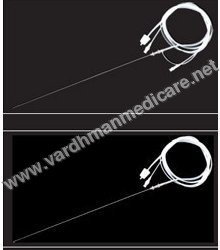
Tell us about your requirement

Price:
Quantity
Select Unit
- 50
- 100
- 200
- 250
- 500
- 1000+
Additional detail
Mobile number
Email

More Products in Infertility Care Category
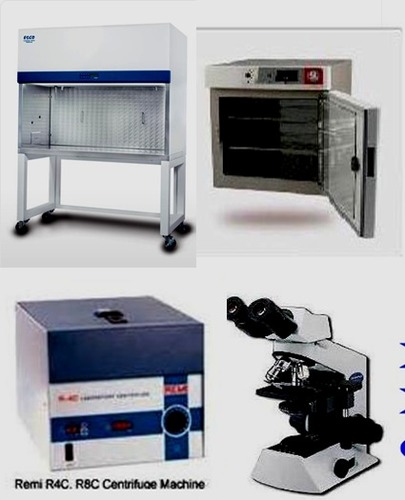
IUI Lab Equipement
Price nan / Piece
Minimum Order Quantity : 1 set Set
Condition : New
Material : Other, Stainless Steel, Glass, Medicalgrade Plastic
Wall Mounted : No
Use : For Intrauterine Insemination (IUI) Procedures in IVF Labs
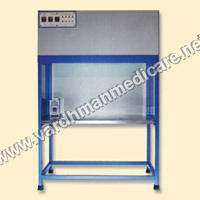
IUI Work Station
Price 200000 INR / Piece
Minimum Order Quantity : 1 Piece
Condition : New
Material : Other
Wall Mounted : No
Use : Assisted Reproductive Technology Laboratory Procedures
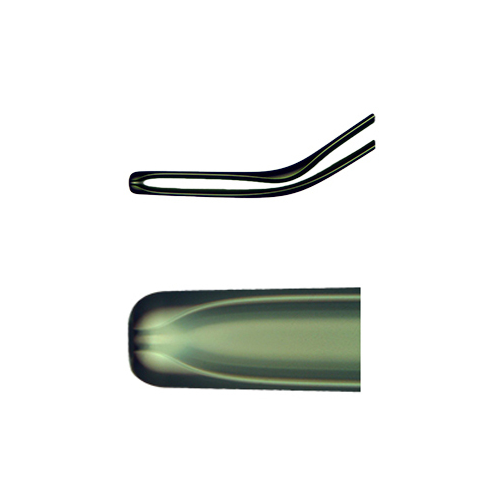
ICSI Micropipette (Monash Biomed pvt ltd)
Condition : New
Material : Other, Highquality Borosilicate Glass
Wall Mounted : No
Use : Intracytoplasmic Sperm Injection (ICSI) Procedures
ET Catheter (Launching Soon)
Condition : New
Material : Other, Medical Grade PVC
Wall Mounted : No
Use : Endotracheal Intubation

Contact Details
GST : 07AACCV0476A1ZP
- 2ND FLOOR, L-90/164, STREET NO. 7, MAHIPALPUR EXTN,New Delhi - 110037, India
- Phone :08045804767
 Send Inquiry
Developed and Managed by Infocom Network Private Limited.
